

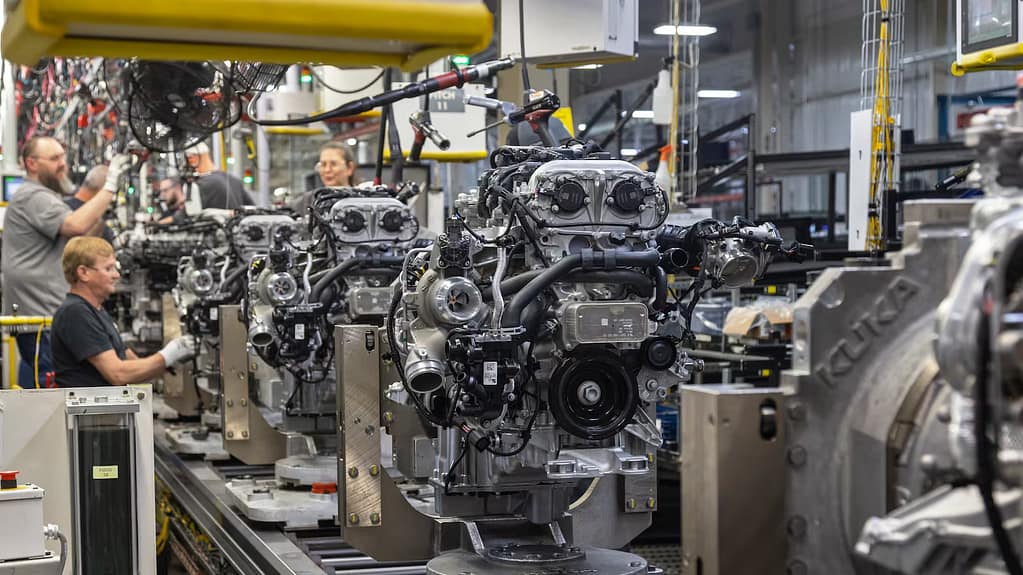
In a world where global trade rules can shift overnight, stability becomes a precious commodity. For Nissan, the recent surge in U.S. auto tariffs threatened to increase costs for many of its imported vehicles — including the Rogue, which has long been a strong seller in America. But instead of letting those tariffs squeeze margins or drive up prices, Nissan appears to be making a bold move: building hybrid powertrains for the Rogue in the United States, at its plant in Smyrna, Tennessee.
This shift is more than a manufacturing decision. It is Nissan’s attempt to “tariff-proof” its products, secure its U.S. presence, and strengthen its competitiveness — all while adapting to a changing market that increasingly values fuel efficiency and electrification.
From Tariff Risk to Local Production — A Strategic Shift
Nissan had already experienced pressure due to new U.S. import tariffs on vehicles and parts, which could have made it harder to keep its prices stable. Rather than absorb that hit, the company moved to shift more production to its U.S. factories. As a result, the Smyrna plant’s importance has surged: Nissan has decided to continue two shifts for Rogue production there.
Now, Nissan is going a step further — planning to build hybrid, electrified versions of the Rogue with a locally manufactured powertrain. This development would help the company avoid the added costs and uncertainties of importing parts or vehicles from abroad.
Executives at Nissan say this is exactly what makes U.S. operations a strength now — what once might have been a problem is now an opportunity.
What This Means for the Rogue and American Buyers
For customers in the U.S., this change could bring a few tangible benefits. A hybrid-powered Rogue — potentially using Nissan’s “e-Power” type setup — may offer better fuel efficiency and lower running costs, without sacrificing the size and features that SUV buyers want.
Beyond that, manufacturing the hybrid powertrain domestically may help Nissan keep the Rogue’s price more stable, rather than passing tariff-related costs onto buyers. It also signals Nissan’s commitment to the U.S. market, even amid shifting global trade conditions.
Moreover, Nissan is reportedly open to supplying this hybrid system to other automakers, suggesting a broader ambition: to build a domestic hybrid ecosystem, not just for its own vehicles but potentially for rivals as well.
A Broader Strategy: Hybrids Over Full-Electric for Now
Interestingly, Nissan appears to be prioritizing hybrid technology rather than going all-in on fully electric vehicles (EVs) — at least for now. That decision reflects current consumer demand and the realities of the U.S. market.
While the global automotive industry explores EVs, hybrids still offer an effective middle ground: cleaner than traditional internal combustion engines, but without some of the charging infrastructure challenges that come with EVs. For Nissan, launching a hybrid Rogue built in America could be a practical, near-term win while the broader transition progresses.
What Lies Ahead — Risks and Hopes
Of course, this plan depends on execution. Shifting production, retooling factories, and launching a hybrid powertrain for a mass-market SUV is no small task. Nissan will need to maintain quality, control costs, and ensure the hybrid version meets American buyer expectations.
But if all goes well, the hybrid Rogue built in Tennessee could become a strong symbol — that even under tariff pressure and global uncertainty, a legacy automaker can adapt, recalibrate, and emerge smarter.
For American buyers, it could mean getting the familiar Rogue they trust — with modern hybrid efficiency and stable pricing.
Disclaimer:
This article is based on publicly available industry reports and aims to present Nissan’s strategy and plans in a simple, clear, and human-friendly way. It does not contain proprietary information and does not represent an official statement from Nissan.
Discover more from News Diaries
Subscribe to get the latest posts sent to your email.