
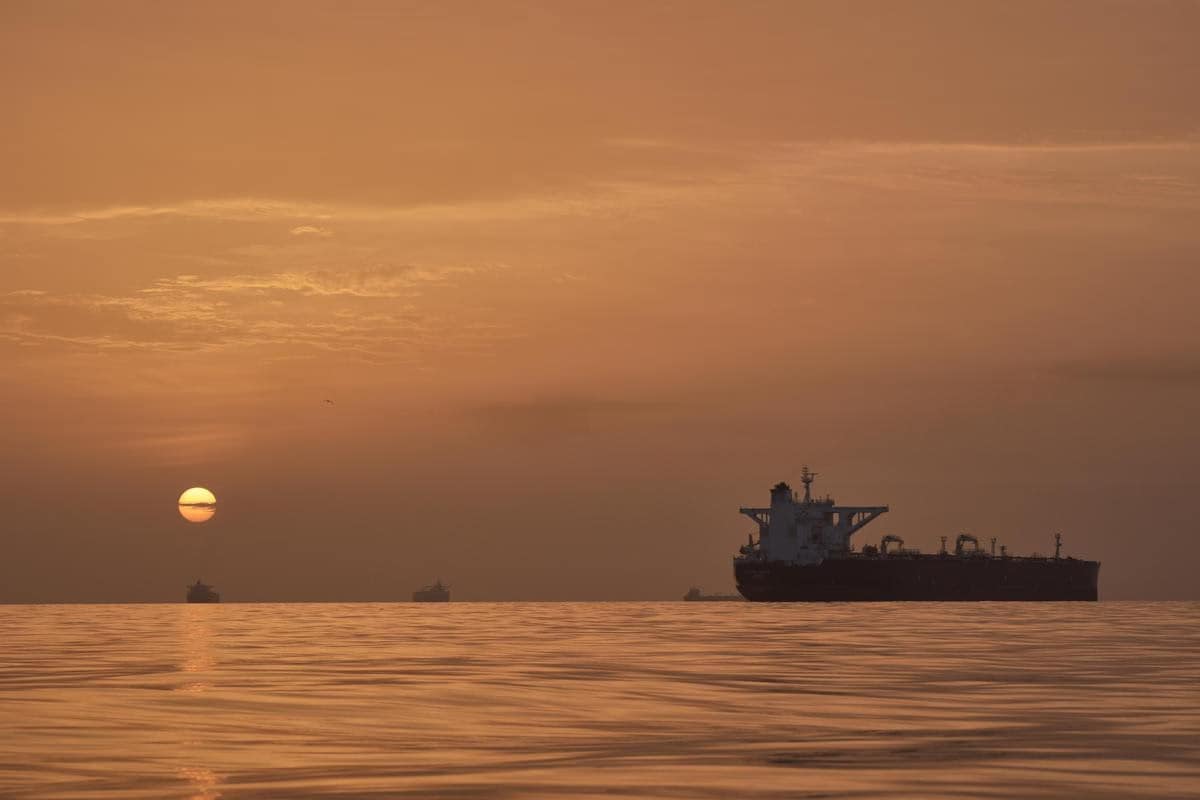
Iran vs America Tensions: In a sharp and dangerous escalation, Iran has once again closed the vital Strait of Hormuz, declaring it will remain shut until the United States lifts its naval blockade. The move has sent shockwaves through global markets and raised fears of a wider conflict in the region.
Reports indicate that forces linked to Iran’s Islamic Revolutionary Guard Corps fired on commercial vessels attempting to pass through the narrow waterway, forcing several ships — including oil tankers — to turn back.
A Vital Global Lifeline Suddenly Under Threat
The Strait of Hormuz is not just another shipping lane. Roughly 20% of the world’s oil supply passes through it, making it one of the most critical choke points in global trade.
Any disruption — even temporary — can trigger immediate consequences: rising oil prices, supply chain uncertainty, and economic ripple effects across continents.
This latest closure came less than 24 hours after Iran had briefly reopened the route, creating confusion and panic among shipping companies and governments alike.
Gunfire at Sea Raises Stakes Dramatically
The situation turned more alarming when Iranian forces reportedly opened fire on vessels in or near the strait, including tankers navigating the narrow passage.
While no major casualties have been confirmed, the message was clear: Iran is willing to enforce its control militarily.
Some ships reversed course immediately, unwilling to risk entering what has effectively become a live conflict zone at sea.
Iran’s Message: Lift the Blockade or Face Shutdown
Tehran has framed its actions as a direct response to what it calls U.S. “maritime piracy” — referring to the ongoing American blockade of Iranian ports and shipping.
Iranian officials have made it clear that the strait will remain under “strict control” unless Washington guarantees full freedom of navigation, including for Iranian vessels.
The standoff has turned the waterway into a powerful bargaining chip in the broader geopolitical conflict.
Global Fallout and Rising Fears
The consequences are already unfolding. Oil markets are bracing for volatility, and countries dependent on Gulf energy — including major importers like India — are closely monitoring the situation.
Military presence in the region is also increasing, with U.S. and allied forces maintaining patrols to ensure maritime security. At the same time, diplomats are scrambling to prevent further escalation that could spiral into a wider war.
A Crisis Far From Over
What makes this moment particularly tense is the uncertainty. The Strait of Hormuz is not fully “closed” in a traditional sense, but it is no longer reliably open either. Ships face mixed signals, conflicting warnings, and real physical danger.
As long as the U.S.–Iran standoff continues, the world’s most important oil artery remains at risk — and with it, the stability of global energy markets.
Disclaimer
This article is based on the latest available news reports and official statements regarding the Strait of Hormuz situation. Events are rapidly evolving, and details may change as new information emerges.
Discover more from News Diaries
Subscribe to get the latest posts sent to your email.