
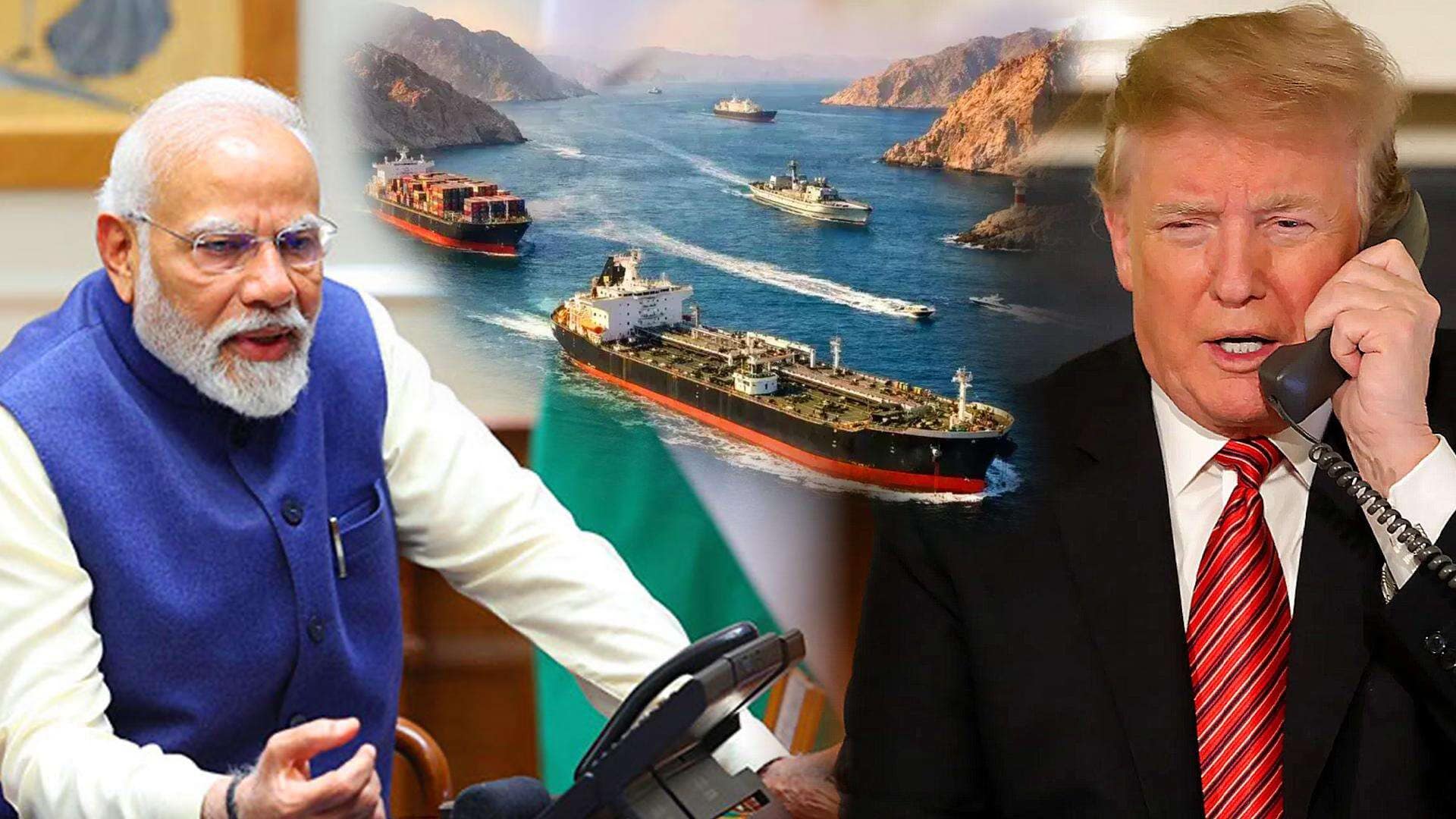
When global tensions rise, energy markets feel it almost instantly. That’s exactly what is unfolding now, as fears of a potential blockade in the Strait of Hormuz begin to ripple across economies. For India, one of the world’s largest oil importers, the situation is more than a distant geopolitical concern — it’s a direct threat to energy security. And it may be pushing New Delhi and Washington closer than ever on a critical energy partnership.
Why the Strait of Hormuz Matters So Much
The Strait of Hormuz is one of the most vital oil transit routes in the world. A significant portion of global crude supply passes through this narrow waterway connecting the Persian Gulf to international markets. Any disruption — even the possibility of one — can trigger sharp spikes in oil prices and create uncertainty for countries dependent on imports.
With escalating conflict in West Asia, concerns over a potential blockade have intensified. For India, which relies heavily on crude imports from the region, the stakes are especially high.
India Looks West — and Across the Ocean
In response to these risks, India is increasingly looking toward the United States as a more stable and strategic energy partner. Talks around expanding oil and energy cooperation between the two nations are gaining urgency, as policymakers aim to reduce exposure to volatile supply routes.
An accelerated India-US energy deal could help diversify India’s crude sources, stabilize supply chains, and reduce vulnerability to geopolitical shocks.
Trump–Modi Call Signals Momentum
The situation gained further attention after Donald Trump spoke directly with Narendra Modi amid rising tensions. According to official remarks, the conversation highlighted the strong personal rapport between the two leaders — a relationship often seen as a driving force behind fast-moving bilateral decisions.
Officials suggested that this personal connection could play a key role in speeding up negotiations and turning discussions into concrete agreements.
Energy Security Meets Geopolitics
What’s happening now is not just about oil — it’s about strategy. Energy security is deeply tied to foreign policy, and India’s moves reflect a broader shift toward securing long-term, reliable partnerships.
A stronger energy corridor between India and the U.S. could also reshape regional dynamics, reducing dependence on unstable zones while strengthening economic and political ties between the two democracies.
A Race Against Uncertainty
As the West Asia conflict continues to evolve, time is becoming a critical factor. Markets are reacting, governments are recalibrating, and decisions that might have taken years are now being fast-tracked.
For India, the challenge is clear: secure energy, stabilize costs, and prepare for a world where supply disruptions can happen without warning.
Disclaimer
This article is based on current geopolitical developments and official statements regarding India-US relations and energy security concerns. The situation remains fluid, and outcomes related to energy deals and regional tensions may change as events unfold.
Discover more from News Diaries
Subscribe to get the latest posts sent to your email.