

The United Arab Emirates (UAE) is facing mounting global scrutiny for its suspected involvement in the violent conflict in #Sudan, where it is accused of acting as a key hub for both gold exports and arms transfers linked to the warring factions.
Gold Exports and Sudan’s Economy
Sudan’s economy has become deeply reliant on gold exports, and data shows that the UAE imported almost 90% of Sudan’s legal gold exports in the first half of 2025, amounting to roughly 8.8 tonnes valued at about $840 million. The Straits Times+1 A Swiss non-governmental organisation reported that UAE gold imports from Sudan jumped 70% in 2024, from 17 tonnes in 2023 to 29 tonnes in 2024, despite the country being mired in war.

This trade matters for more than revenue-it has economic consequences at home. With gold exports disrupted due to UAE-actions like flight bans from Sudan’s Port Sudan, the Sudanese pound collapsed from around 2,200 to 3,600 per U.S. dollar, deepening inflation and fraying public confidence.
Arms Supply & Conflict Allegations
On the arms-trade front, Sudan has accused the UAE of supplying weapons, ammunition, and logistical support to the paramilitary Rapid Support Forces (RSF), a key faction in the country’s civil war. The UAE has denied these claims, citing lack of proof and arguing that it remains neutral.
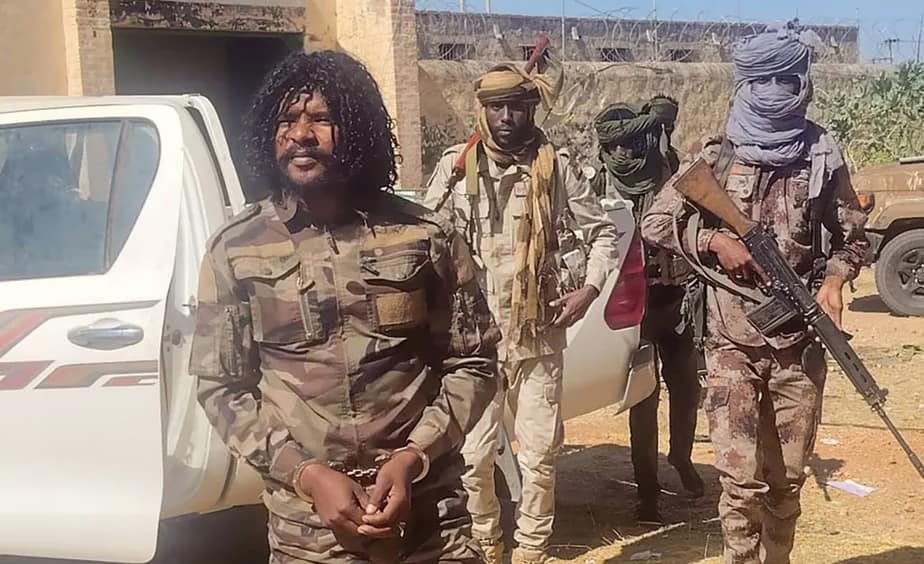
Legal proceedings underline the gravity of the allegations. In April 2025, the International Court of Justice (ICJ) heard a case brought by Sudan accusing the UAE of complicity in genocide for allegedly supporting the RSF’s operations in Darfur and other regions.
Global and Regional Fallout
The mounting accusations have ignited international backlash. On social media platforms, campaigns like #BoycottUAE and #BoycottDubai gained traction as activists blamed the UAE’s role in prolonging Sudan’s war and profiting from its resources. Notable figures, including Greta Thunberg, urged travelers and investors to reconsider connections with Emirati interests.
In the United States, lawmakers moved to block arms sales to the UAE in view of its alleged role in Sudan. One bill, the “U.S. Engagement in Sudanese Peace Act,” was introduced to curtail U.S. support for countries assisting either party in Sudan’s war.
UAE’s Response
The UAE has consistently denied any direct involvement in arming warring factions in Sudan or engaging in illicit gold flows. In letters to the UN, the Emirati foreign ministry dismissed Sudan’s claims as politically motivated. The National Meanwhile, the UAE insists that recent seizures of smuggled arms and ammunition were lawful enforcement actions, not evidence of systemic support for either side.
Why It Matters
This controversy touches on several major issues: the link between natural-resource extraction and conflict financing; the role of regional powers in proxy wars; and the challenges of enforcing international norms around arms control and human rights. For Sudan, the stakes are dire — with the war having displaced over 15 million people and produced tens of thousands of casualties.
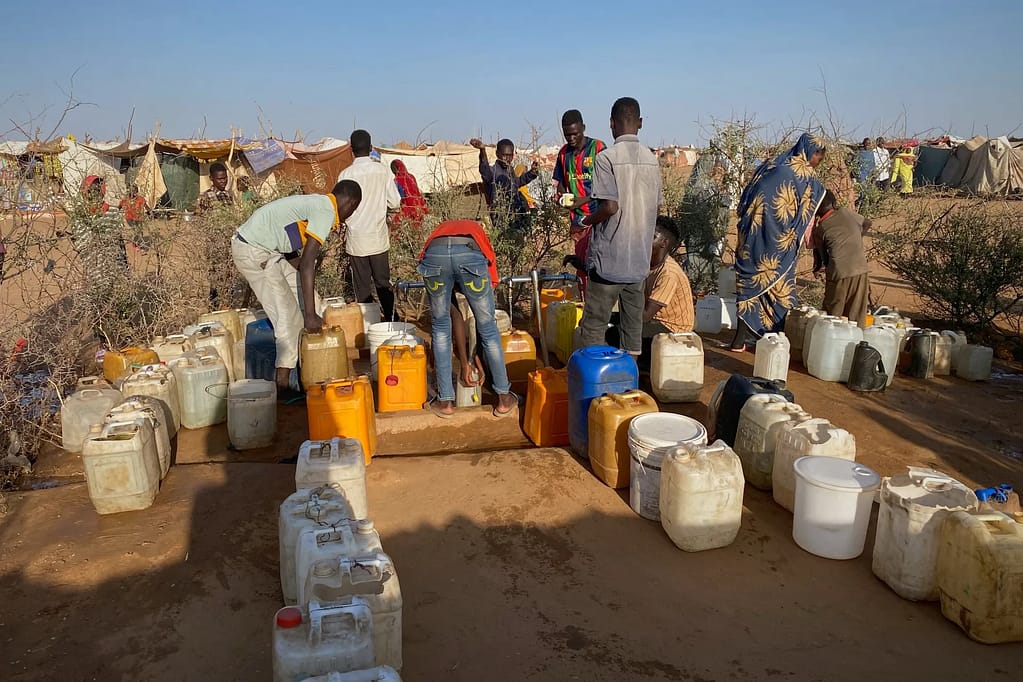
For the UAE, the allegations raise questions about its global reputation and how it balances strategic interests with human rights responsibilities. And for the international community, this case reveals the difficulty of policing conflict-financing networks when they involve states, trade hubs, and complex supply chains.
Disclaimer: This article is based on publicly available information and media reports concerning the UAE, Sudan and related investigations. The facts rely on data reported by NGOs, courts, and news outlets. The reader should note that allegations are subject to legal and diplomatic processes and have not been conclusively proven in all cases.
Discover more from News Diaries
Subscribe to get the latest posts sent to your email.